Changes in the mouth don’t always cause pain, but they can still signal an underlying condition. When something doesn’t look typical, oral pathology screening and biopsy procedures help identify the cause. By examining the tissue more closely, we can determine whether the change in your mouth is harmless or something that requires treatment.
Dr. Somers, Dr. Nick, and Dr. Marshall carefully evaluate suspicious changes in the mouth and perform biopsies when necessary to ensure an accurate diagnosis and the right next step for your health.
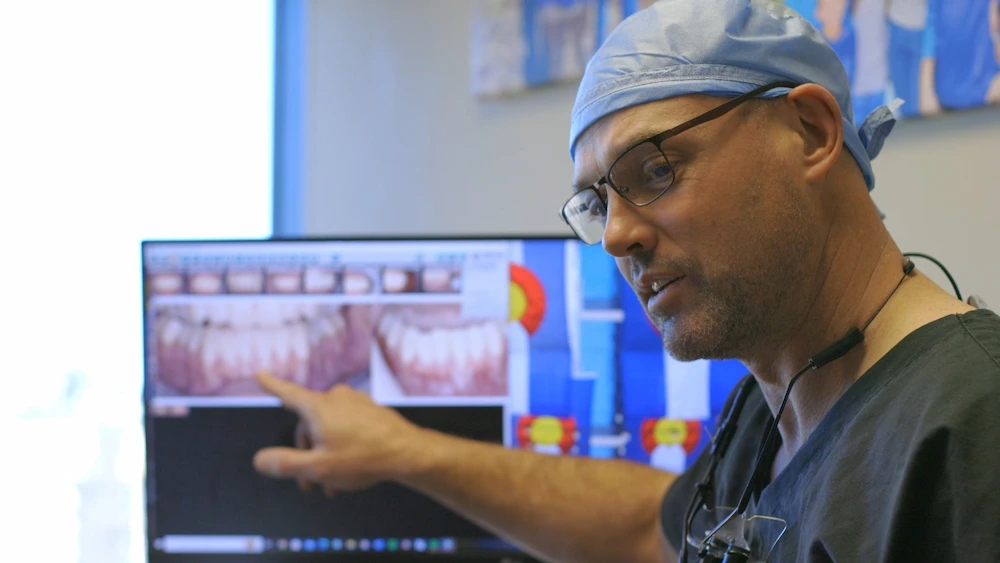
Some conditions in the mouth can look similar during an exam, and some diseases develop without noticeable symptoms. We examine a small tissue sample with pathology specialists to determine the cause and detect concerns early.
Once we understand the cause of the change in your mouth, our doctors can recommend the most appropriate treatment, whether that involves monitoring the area, removing abnormal tissue, or addressing infection.
Many oral changes turn out to be harmless. An oral cancer screening and biopsy provide clear answers, so you can move forward with confidence knowing the condition has been properly evaluated.
When an area in your mouth needs closer evaluation, Dr. Somers, Dr. Nick, and Dr. Marshall choose the gentlest and most effective method to collect a sample, depending on what will give us the clearest answer for your specific situation.
How Our Doctors Evaluate Oral Tissue:
Brush sampling: In certain situations, a specialized brush is used to collect surface cells from the area for further analysis.
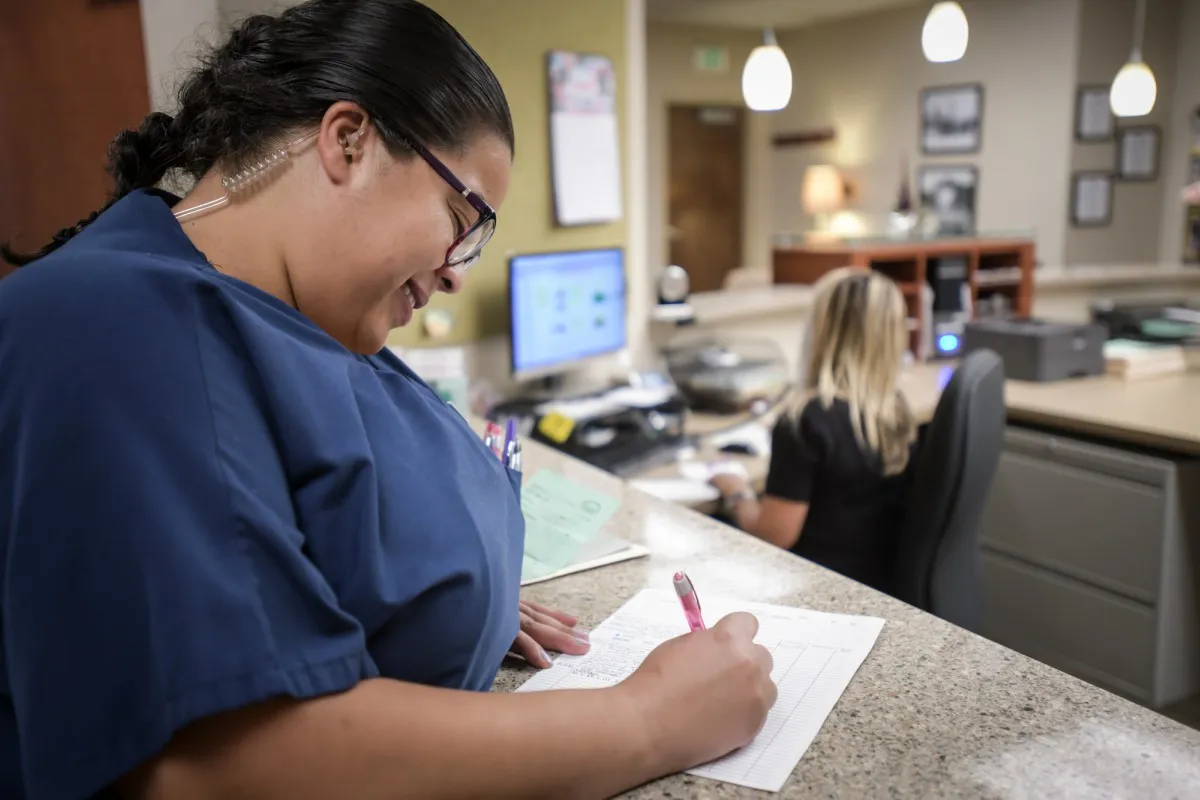

Our doctors begin by examining the area and reviewing any symptoms or changes you’ve noticed. This examination is part of an oral cancer screening designed to identify unusual tissue changes early.
If the area requires further investigation, a small piece of tissue is removed using precise instruments and local anesthesia to keep you comfortable.
The tissue sample is sent to a pathology laboratory where specialists examine it under a microscope to determine the exact diagnosis.
Changes in your mouth shouldn’t be ignored. Oral cancer screenings help detect unusual tissue changes early, when many conditions can be treated more easily and effectively.
If you notice unusual sores, lumps, or changes in your mouth, Dr. Somers, Dr. Nick, and Dr. Marshall can evaluate the area and determine whether further testing is needed.


Most oral biopsies are performed using local anesthesia, which numbs the area. Patients typically feel pressure but little to no pain during the procedure.
Biopsy samples are sent to a pathology laboratory for analysis. Results are typically available within one to two weeks, depending on the type of testing required.
A biopsy may be recommended if a sore, lump, discoloration, or patch in the mouth does not heal within two weeks or appears abnormal during an examination.
An oral biopsy can help diagnose a range of conditions, including infections, inflammatory conditions, benign growths, precancerous lesions, and oral cancer.


.webp)


An oral biopsy is a diagnostic procedure where a small sample of tissue from the mouth is removed and examined under a microscope to determine whether disease or abnormal cells are present.